


A Recital by the Pacifica Quartet
ALSO AVAILABLE
MENDELSSOHN: String Quartet No. 2 in A minor, op. 13
LIGETI: String Quartet No. 1, "Métamorphoses nocturnes"
---
BEETHOVEN: String Quartet in B-flat major, op. 130
BEETHOVEN: Grosse Fuge in B-flat major, op. 133
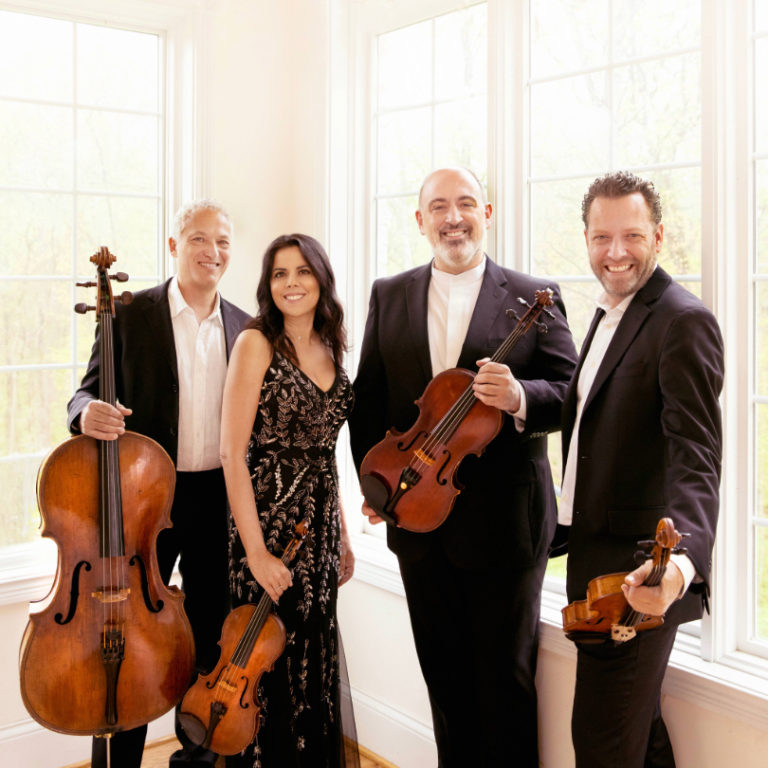
Described as “nothing short of phenomenal” by The Telegraph, the two-time Grammy Award–winning Pacifica is known for their virtuosity, passionate performances, and daring repertoire. Their performances consistently reveal a depth of musical understanding, yet always sound fresh and spontaneous, inviting the listener to hear even the most familiar works in vivid new ways. The New York Times has praised their “delicacy and clarity,” and Chicago Classical Review called their ensemble playing “impeccable.”
Mendelssohn composed his String Quartet No. 2 when he was eighteen and inspired by young love and late Beethoven quartets. A Mendelssohn song called “Is it true?” provides the thematic basis for the quartet, and he even included it in the published score.
Ligeti was still under the influence of Bartók when he wrote his first string quartet in 1953—54. In a program note, he explains, “the first word of the sub-title Metamorphoses nocturnes refers to the form. It is a kind of variation form, only there is no specific ‘theme’ that is then varied. It is, rather, that one and the same musical concept appears in constantly new forms—that is why ‘metamorphoses’ is more appropriate than ‘variations.’ The quartet can be considered as having just one movement or also as a sequence of many short movements that melt into one another without pause or which abruptly cut one another off.”
Beethoven wrote his op. 130 quartet during the last months of his life. A study in contrast, it contains both the longest and the shortest movements of the late quartets, and juxtaposes playfulness and profundity, rapture and sadness. The heart of the work is the sublime Cavatina, which Beethoven reportedly wrote “amid sorrow and tears; never did his music breathe so heartfelt an inspiration, and even the memory of this movement brought tears to his eyes.”
Hear one of the great quartets of our time in three masterworks!
Recitals run approximately 90 to 110 minutes and vary based on programming.