


Festival Orchestra: Malofeev Plays Rachmaninoff
ALSO AVAILABLE
BARBER: Medea's Meditation and Dance of Vengeance, op. 23a
RACHMANINOFF: Piano Concerto No. 4 (1941 version)
---
SHOSTAKOVICH: Symphony No. 5 in D minor, op. 47
To enhance the audience experience, this event features performance imagery screens on both sides of the stage. To learn more, click here.
This concert will be carried live on Aspen Public Radio! Tune in 91.5FM and 88.9FM or at aspenpublicradio.org.
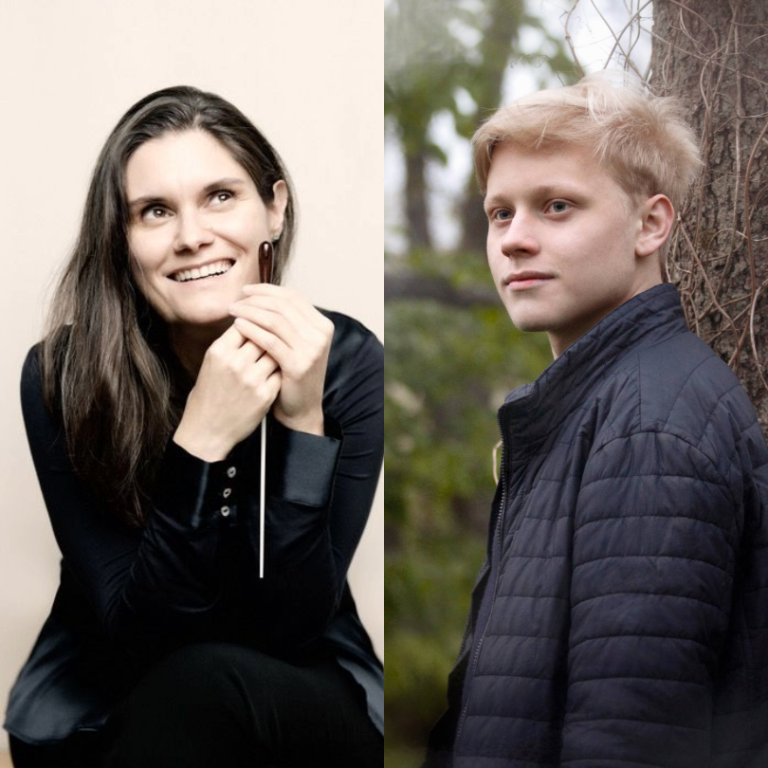
Internationally acclaimed young pianist Alexander Malofeev returns to Aspen this summer for Rachmaninoff’s rarely performed 4th Piano Concerto—an innovative and jazz-influenced work which reportedly took more than 30 years to complete. The slow movement sounds almost like the blues and may well have been inspired by Gershwin’s Rhapsody in Blue.
When Shostakovich was in his late twenties, his opera Lady Macbeth of the Mtsensk District was a smash hit. At one time, three different productions were running in Moscow. Then Stalin himself went to a performance. Offended by the luridness of the plot, he had the state newspaper condemn the work, and it disappeared overnight. Shostakovich was terrified that he too would disappear, and he kept a suitcase packed at all times in case of arrest. His Fifth Symphony was an attempt to redeem himself in the eyes of the authorities, and he dubbed it “A Soviet Artist's Response to Just Criticism." Even while you’re swept away by the crowd-pleasing tunes and a sense of heroism, you may also notice an undercurrent of cynicism and despair. Shostakovich apparently remarked, "The rejoicing is forced, created under threat. It’s as if someone were beating you with a stick and saying, ‘Your business is rejoicing, your business is rejoicing …"
The program opens with Samuel Barber’s Medea’s Meditation and Dance of Vengeance, first danced as part of a larger work by the Martha Graham Company in 1946. The present version uses material from the ballet and deals with Medea’s ambivalence about murdering her children after discovering her husband’s betrayal.
Thrill to big orchestral sounds and the technical and interpretive brilliance of one of the most exciting pianists of his generation!
Festival Orchestra concerts run approximately 100 to 120 minutes and vary based on programming.
Pre-order a gourmet picnic basket and pick it up right on site! Click HERE to order by 3pm Saturday.